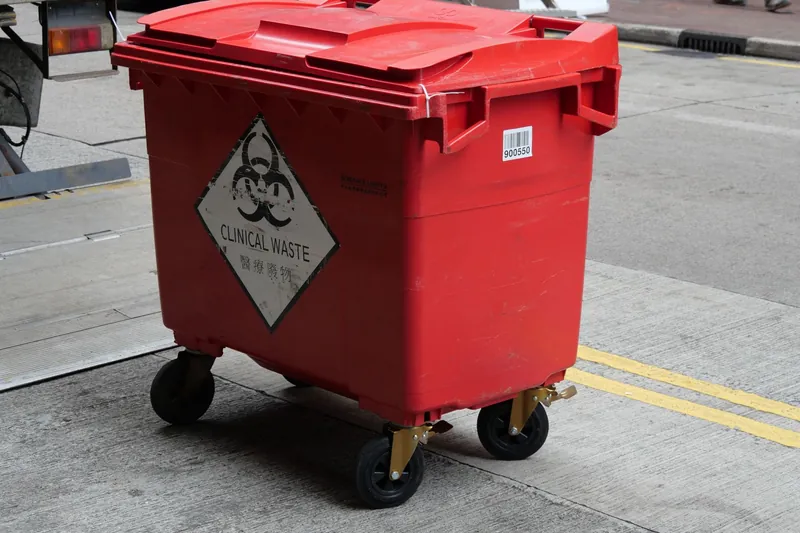
Medical Waste Removal
Medical waste removal and disposal through approved treatment facilities.
See medical waste removalGet blood, bodily fluids and contaminated materials cleaned from a hospital, clinic, dental office, laboratory or care facility in Woodstone Estates. The affected area is contained, cleaned, disinfected and documented.
In medical settings, hospital and healthcare biohazard cleanup means controlled removal of contaminated materials, including blood and bodily fluids. Cleaning and disinfection follow throughout the affected area.
When routine environmental services cannot manage a spill or emergency response, professional cleaning services may be needed. Work may occur in hospital rooms, urgent care centers, laboratories, clinics, dental offices, dialysis centers, nursing homes and other care settings. Its purpose is to restrict entry, clear visible material, disinfect surfaces that can be cleaned and send packaged waste through the proper route.
The team begins by determining which space and surfaces were affected. Materials that can be saved are separated from those that cannot. Cleaning and disinfection may preserve hard, non-porous surfaces. If contamination penetrated carpet, unfinished wood, ceiling tile, wallboard or another porous material, removal may be necessary. Separate waste streams are maintained for sharps, hazardous substances, medicines and contaminated soft waste.
As you compare cleaning services, ask what the scope says about the affected area, which surfaces may remain, what materials could require removal and which steps influence cost. Clear explanations make your options easier to compare.
Your administrator, insurance company or property contact can examine the work using organized scope notes, approved photographs and available waste documentation.
When discretion is important, crews use unmarked vehicles and follow a planned route for equipment that reduces attention around occupied spaces.
Before returning the space, crews discuss containment, protective gear, cleanup, disinfectant contact time and separated waste with your facility contact.
Hospital biohazard cleaning becomes necessary when intended containment no longer holds blood or another potentially infectious substance, allowing it to reach an item, surface or room. Common examples are:
Focused biohazard cleaning may be necessary when an injury, a healthcare event or contamination exceeds ordinary surface cleaning.
Vomit, urine, feces or other bodily fluids can affect waiting rooms, exam rooms, restrooms and staff areas.
Access must be limited if contaminated broken glass or loose needles are present, with the items placed in the correct puncture-resistant sharps container.
A spill, broken waste container or unplanned event can create cleanup needs in dental practices, labs, outpatient facilities and other medical areas.
Protect people and follow the facility's exposure control plan before anyone begins cleaning blood in a hospital or healthcare space. If law enforcement is involved, wait until the area is released. Take these first steps:
Call (888) 440-9227Published guides do not list a hospital-specific cleanup cost. General biohazard context starts with $3,000 to $5,000. The residential average runs from $1,800 to $4,500. Wider published figures extend from $1,500 to $25,000. These amounts are general biohazard planning figures rather than quotes for hospitals. Your actual cost reflects access needs, waste, materials and the extent of the affected area.
Published national cost guides are the source for these ranges, rather than an inspection of your property. The price for your property is set after the on-site assessment, and you hear it before work starts.
Ask about cost: (888) 440-9227Coverage depends on the cause of the contamination, the facility's policy and any contract that assigns responsibility. Routine cleaning is different from cleanup after a sudden event. Insurance assistance starts with clear records that help insurance companies assess the loss so you can move forward.
A clinic lease may assign cleanup or building repair duties between the tenant and property owner. Notify your property contact and examine the lease prior to taking out any structural materials.
Recurring waste pickup for medical materials and ordinary environmental cleaning generally fall within planned facility spending. Your facility contact or administrator can identify the right account to use.
Save invoices, the cleanup scope, any allowed photographs and available waste documentation. Ask the adjuster what documentation is required before repairs or disposal change the affected area.
Ask the insurance company if the policy covers related restoration and waste disposal, along with cleanup and any materials removed. Keep the claim number along with a record of the cause.
Hospital cleanup moves in a controlled order from assessment and containment to disinfection, waste packaging and a last check. This structure protects nearby areas and makes the work understandable to facility staff. The particular materials, affected surfaces and internal facility procedures shape the final scope.
Cleanup technicians first verify what occurred, define the affected area and identify chemicals, absorbent materials, bodily fluids, blood and sharps.
Crews limit access, establish a clean route inside and shield nearby equipment or rooms from avoidable traffic across the work zone.
Instead of applying one standard setup to every situation, crews select protective clothing, gloves, eye gear and respiratory protection suited to the exposure.
Crews first absorb visible material, then remove it. Cleaning begins at the outer edge and avoids spreading liquid into floor seams or nearby surfaces.
An EPA-registered disinfectant is applied after washable surfaces are cleaned, and the treatment remains wet as long as its label requires.
Careful removal is used for porous materials that cannot be cleaned completely. Sharps, soft waste, medicines and chemicals stay separated for the appropriate waste route.
Hazardous waste goes into the appropriate closed container, bags are not compressed and incompatible materials are kept apart. An exterior check occurs prior to taking it out of the work space.
Your facility contact joins an inspection of the work zone, while permitted photos, waste records and scope notes are arranged for facility files.
Call at any time. A specialist in hospital and healthcare biohazard cleanup takes your call, explains each step and agrees on a start time with you.
Serious health risks can arise from blood, bodily fluids, loose sharps or hidden contamination, particularly when unsuitable tools or an unsafe cleaning order are used.
Beneath furnishings, under wall trim and along floor seams, liquid can spread out of sight. Treating just the central area you can see may leave contaminated material in place.
Blood may carry HIV, hepatitis C and hepatitis B. The CDC reports that surface survival for hepatitis B can last at least seven days, which means dried blood must still be approached with proper precautions.
Leaving the cleanup space open may attract notice and disrupt care. Clear boundaries and discreet movement of supplies help protect patients, loved ones and personal property while limiting unnecessary traffic.
Can you clean it yourself? Under your facility's blood spill procedure, prepared and assigned staff may address a small spill affecting a non-porous hard surface. When a spill exceeds facility capabilities, reaches absorbent material, contains loose sharps or has unknown limits, close off the area and request professional cleanup.
Non-porous surfaces can often stay when they can be fully cleaned and disinfected. Porous materials may need removal when blood or bodily fluids soaked below the surface, since hidden contamination cannot be left behind.
The OSHA Bloodborne Pathogens Standard, 29 CFR 1910.1030, establishes worker training, exposure controls, protective equipment and work methods for possible blood contact.
Choose an EPA-registered disinfectant that matches both the surface and target organism. The product label gives a complete contact time during which surface wetness must be maintained.
Louisiana treats soaked materials from a biohazard scene as potentially infectious biomedical waste. Louisiana Department of Health sanitary code rules control how it is packaged, stored and transported, so it cannot go in household trash.
Local health and building rules can affect how a contaminated room is cleaned and when it can be used again, so mention any notice you have received from the city or county.
No single schedule applies to hospital biohazard cleanup. A spill limited to cleanable hard surfaces can require less time than an event involving several rooms or contamination under porous flooring. Access within the facility may also alter the timing.
The full hospital and healthcare biohazard cleanup guide covers what is cleaned or removed, odor and air quality work, and the rules that apply in Louisiana and East Baton Rouge Parish.
Read the full hospital and healthcare biohazard cleanup guideLocal population patterns, housing and site access may affect how containment and cleanup are planned.
Our Lady of the Lake Regional Medical Center is about 1.2 miles from Woodstone Estates, which is useful to know when an exposure or injury needs medical attention.
Crews coming in from university-acres, Highland Hills or Dent Terrace should keep vehicles and equipment staged close to the affected property for privacy.
A cleanup plan for this neighborhood should account for adjacent homes or units when setting odor control and containment boundaries.
You can ask about cleanup in nearby communities and ZIP codes during the call.
Medical waste removal and disposal through approved treatment facilities.
See medical waste removal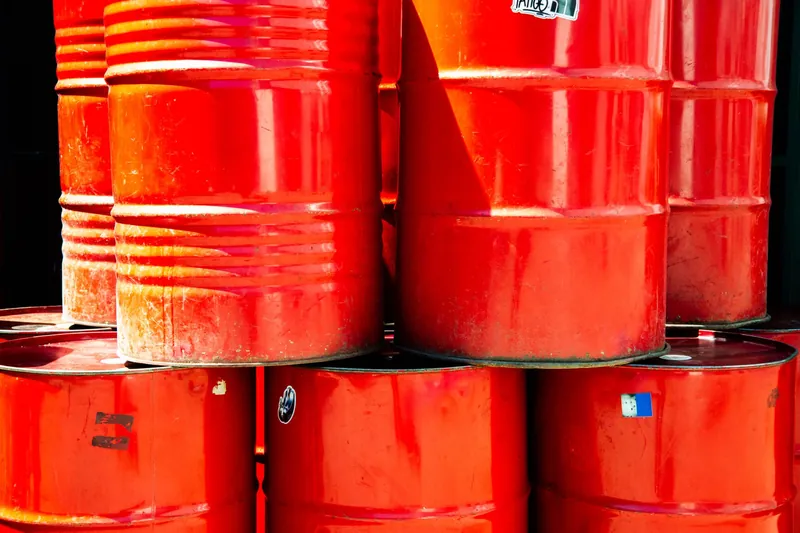
Sealed containers with labels hold biohazard waste during collection and disposal.
See biohazard waste disposal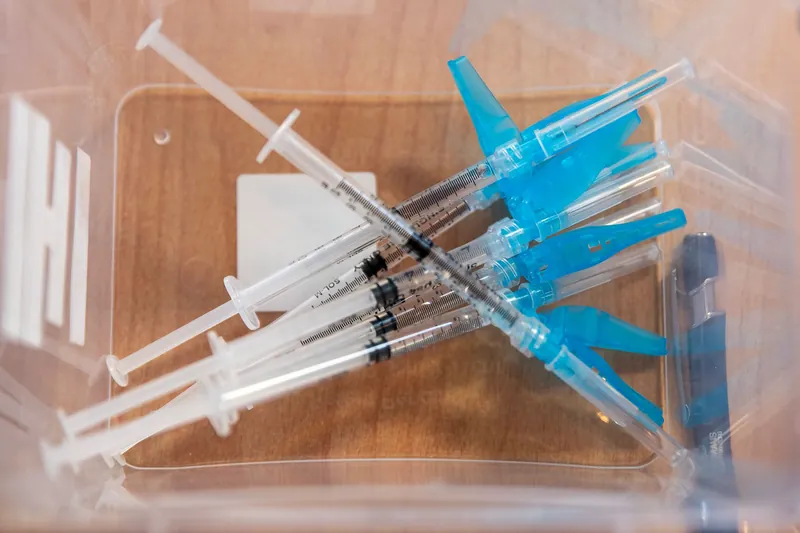
Cleanup removes sharps and needles from parks, rental sites, yards and encampments.
See needle and sharps cleanup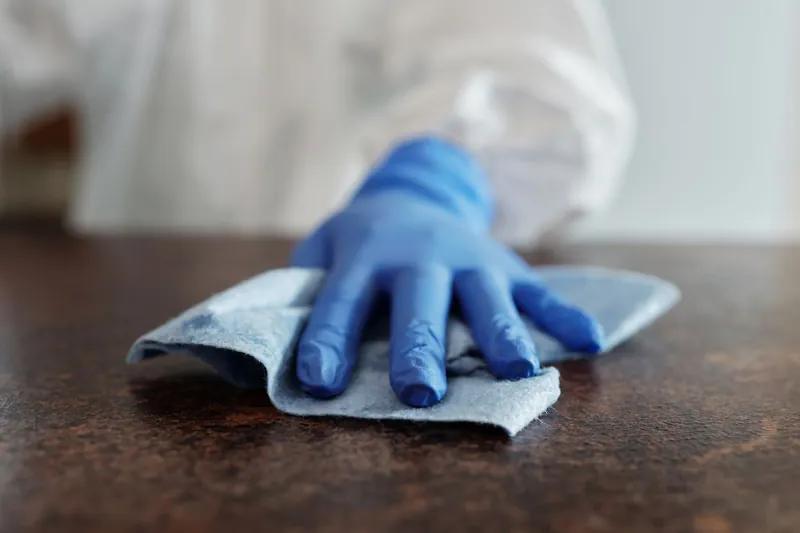
Blood spill cleanup removes spills of any size, including fresh and dried blood.
See blood spill cleanup
Blood cleanup controls exposure to HIV as well as hepatitis B and hepatitis C.
See bloodborne pathogen cleanup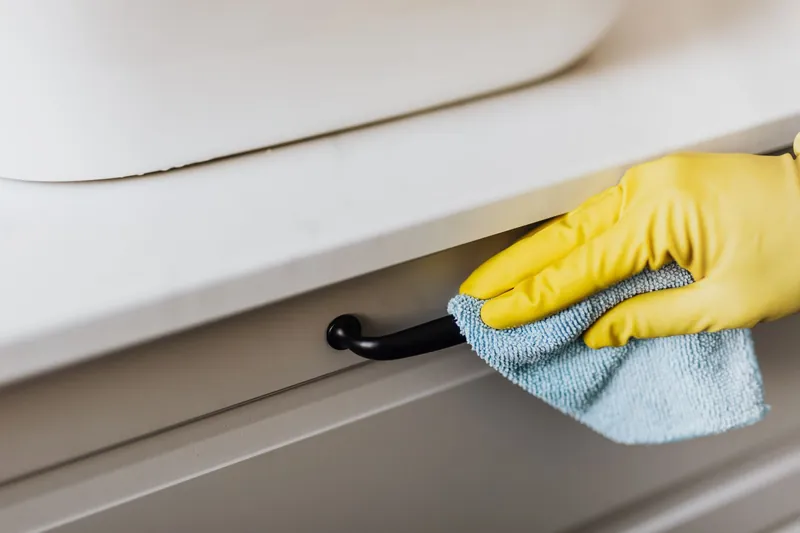
Homes, care environments and businesses receive bodily fluid cleanup and disinfection.
See bodily fluid cleanup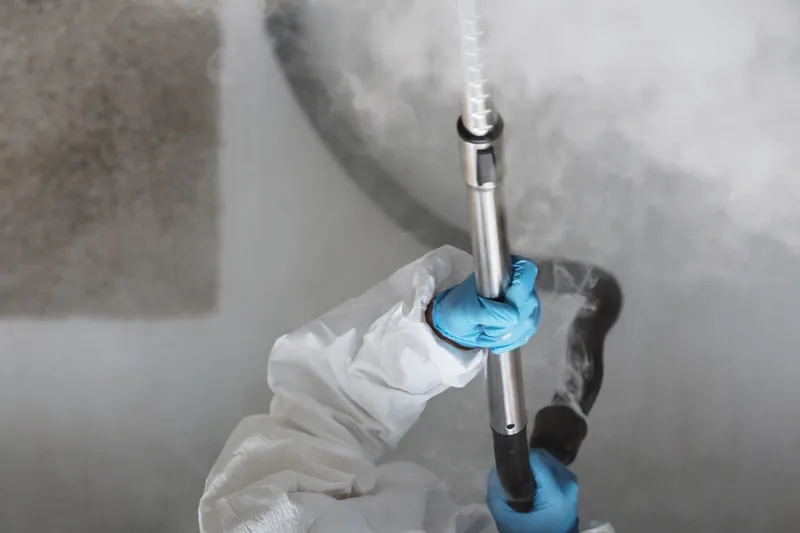
All surfaces receive full coverage with EPA-registered products for infectious disease disinfection.
See infectious disease disinfection
Planning for industrial and commercial biohazard cleanup considers operations and access to the site.
See commercial and industrial biohazard cleanupA person may enter only when the facility's process assigns that person and the individual is prepared for blood exposure. Notify the named facility contact, then have staff follow the plan for controlling exposure. Professional biohazard cleanup is suitable if contamination extends widely, remains hidden, includes sharps or has penetrated absorbent parts of the building.
Exposure control plans and waste processes guide hospital staff. Absorbed blood and contaminated disposable materials go into the required closed waste container, while needles and other sharps go into a puncture-resistant sharps container. Medicines do not get combined with chemicals. Final treatment and transportation must comply with relevant local, state and facility requirements.
The affected surfaces are reviewed after visible material is removed, cleaning is complete and the disinfectant has remained wet for its label contact time. Your facility representative receives the scope information and any waste records that are available. Any removed flooring, wallboard, ceiling tile or furnishings can then be addressed through the facility's repair process.
Choose products according to the type of surface and your facility's procedure. Disinfection follows the removal of visible blood. Afterward, use an EPA-registered disinfectant suitable for both the surface and organism for all of its labeled contact time. Choose absorbents, protective equipment, cleanup tools and waste containers based on the exposure involved.
One answer cannot cover all facilities and situations. A small spill on a hard surface may fall within an established staff procedure. The presence of loose sharps, damaged containers, hidden contamination, a large spill or affected carpet and wallboard can go beyond ordinary cleaning capacity. The first decision should follow your plan for exposure control.
Coverage depends on the cause, the facility's policy and any lease or service contract. Routine cleaning and planned waste collection may receive different coverage treatment than cleanup following a sudden covered event. Report the event, keep the claim number and ask which cleanup, disposal and repair records the insurance company needs.
You can request respectful, discreet hospital and healthcare biohazard cleanup 24 hours a day, and crews use unmarked vehicles.